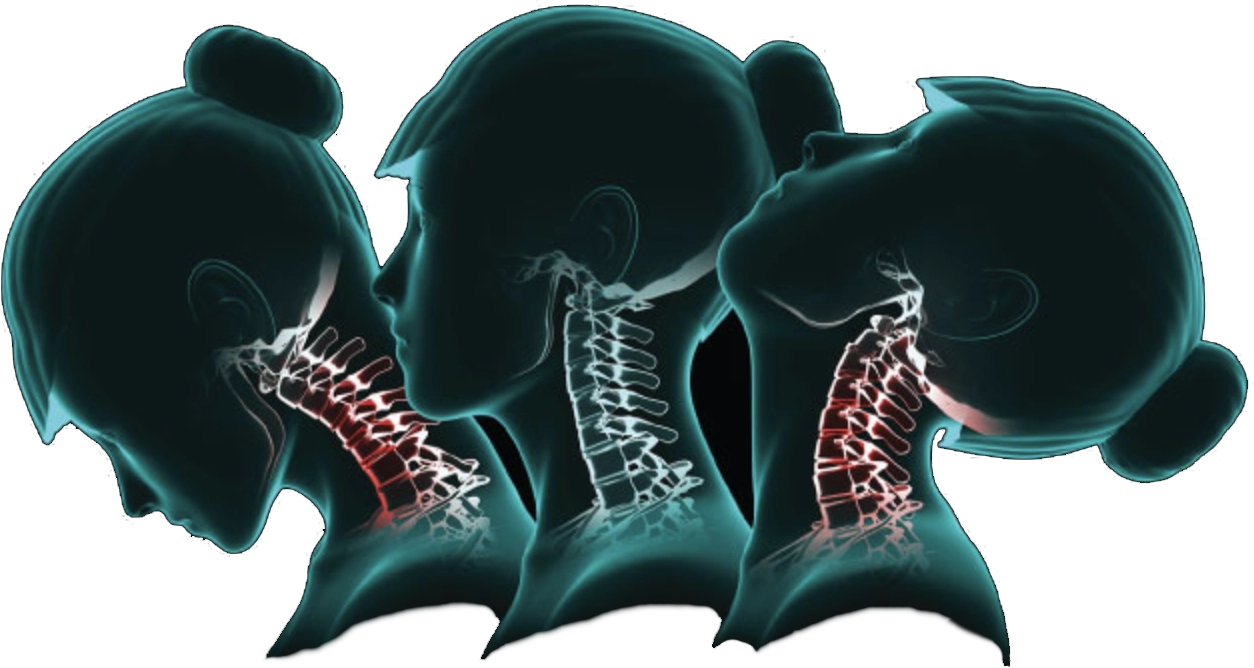
An X-ray video of the neck in motion, up to 30 frames per second. Every level is measured against published normal limits. Low-dose and pulsed.
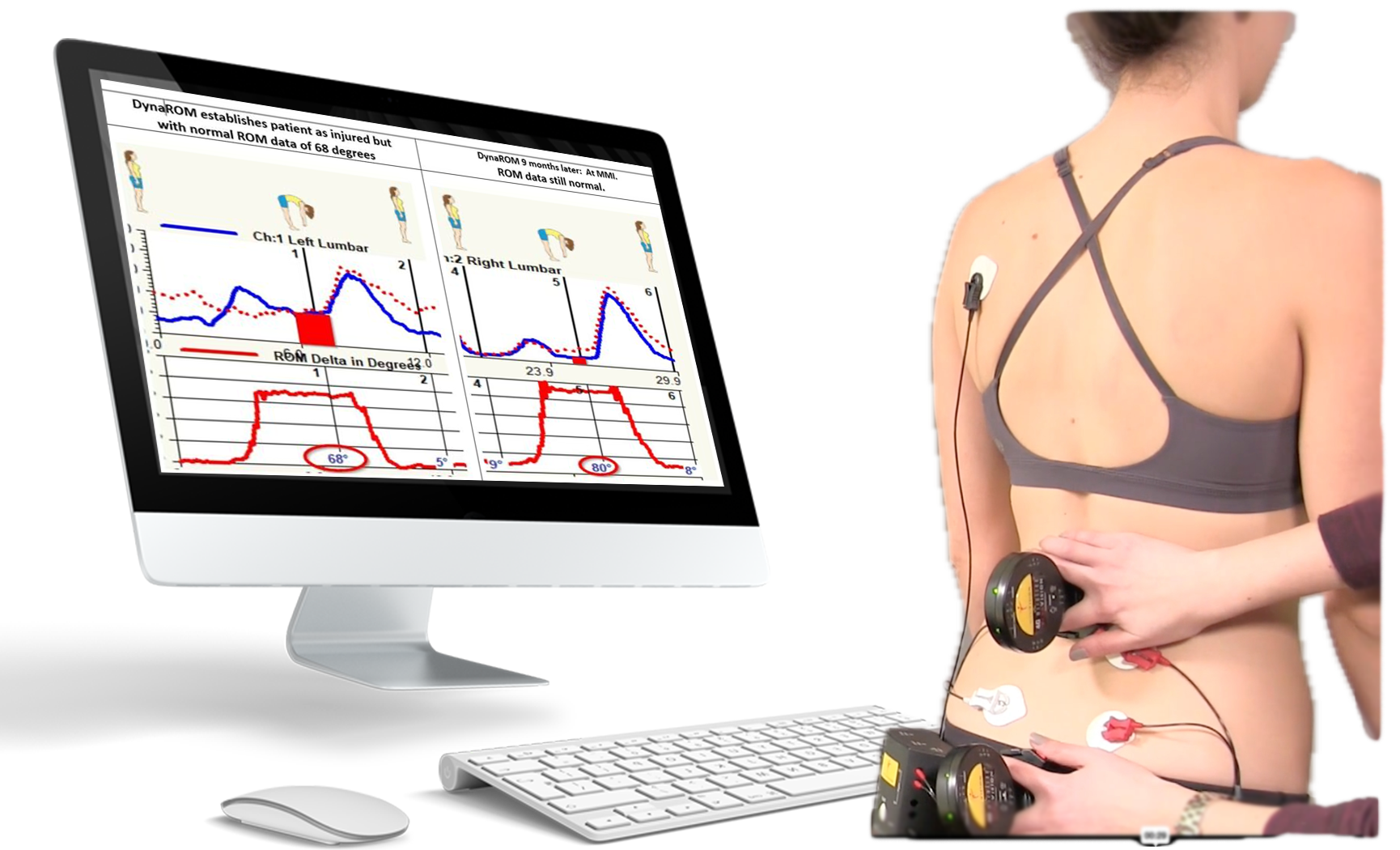
Records range of motion and muscle activity together, documenting muscle guarding: the protective tightening of muscles around an injured area.
Plain-English reports with marked images, every measurement shown (normal and abnormal), and a source for every standard used.
At maximum medical improvement, we combine the permanent DMX and DynaROM findings with the patient’s ongoing complaints to produce a Long-Term Care Report.
Attorneys get future medical care documented with research-sourced recommendations and priced with published regional fee data for the client’s home ZIP code. Treating doctors get an updated permanent diagnosis and prognosis for their records, with no extra work. Patients get a clear plan for living with the injury and the yearly cost of recommended care, with the basis for each figure shown.
Use our easy scheduling tool to book a test at your convenience. We’ll confirm your appointment and ensure a smooth process.
The tests take about an hour, and patients don’t need to undress. Most patients need only one visit; if testing is done early in care, a follow-up study near the end of treatment may be recommended.
Receive clear, objective reports within a few business days, showing every measurement compared with published normal limits.
Use the findings to document the injury, support the treatment provided, and explain the patient’s ongoing complaints with objective data. At maximum medical improvement, the Long-Term Care Report documents future care and its cost.

We offer reasonable pricing and take cases on assignment. Payment is received once the case is settled, ensuring a hassle-free process for you.
“Without the DynaROM… we would have not won that case, and she [the patient] would not have justice”.
Call Dr. Schmitt at 443-775-7550 to refer a patient, schedule a test, or ask how DMX, DynaROM and the Long-Term Care Report can help your case. Accident patients: start here.